
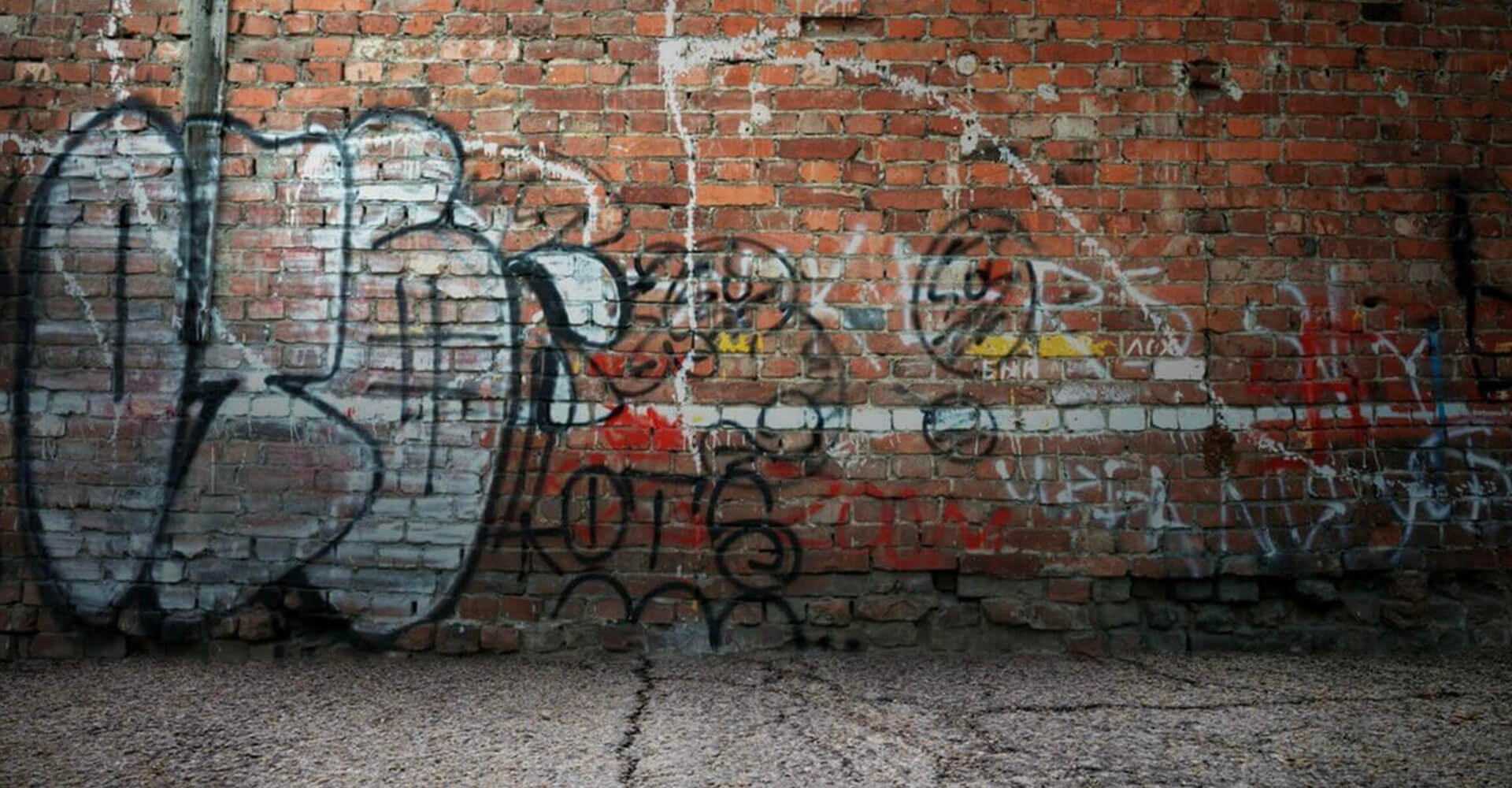
Anti-social behaviour is defined by the Home Office as ‘acting in a manner that caused or was likely to cause harassment, alarm or distress to one or more persons not of the same household as (the defendant).’
This term is used to describe incidents or actions that affect the quality of life of people in a community. This can be any behaviour that causes ‘harassment, alarm or distress to one or more persons not of the same household’.
The Council is the first point of contact if you are experiencing any of the following:
- repeated abusive language or behaviour
- neighbour nuisance
- youths that are causing nuisance
- harassment
- vehicle nuisance
How we can help
Anti-social behaviour can be a challenging problem and covers a wide range of unacceptable activity that ruins the lives of individuals, communities and the environment on a daily basis. Victims of persistent anti-social behaviour can be left feeling alarmed and harassed and with a greatly reduced quality of life.
When considering the response to a complaint of anti-social behaviour and the level of action that would be the most appropriate using anti-social behaviour powers, the Council and other agencies need to consider the impact that the behaviour is having on victims and communities, as well as the devastating and growing impact that repeated anti-social behaviour can have on people if it carries on over a period of time.
The response to anti-social behaviour may require a combination of different agencies to determine the most appropriate solution. Action can range from preventative (when agencies intervene early to prevent problems from escalating or tackling the underlying causes of ASB) to fines and prosecutions.
On receiving complaints relating to anti-social behaviour, we will make sure that victims or complainants are kept informed whilst we consider what the best course of action is.
We will not require a victim of anti-social behaviour to take an action that is against their wishes. Where necessary and possible we will provide support to victims, often through other agencies.
Actions we can take:
- informal words of advice (early intervention/door stepping)
- acceptable behaviour contracts
- parenting contracts
- community protection warning and notice
- restorative justice
- civil Injunction
- public space protection orders
- ASB Case Reviews
- closure order
- fixed penalty notice
- prosecution.
The Anti-social Behaviour, Crime and Policing Act 2014 introduced specific measures designed to give victims and communities a say in the way that complaints of antisocial behaviour are dealt with.
This includes the anti-social behaviour case review, formerly known as the community trigger, which gives victims of persistent antisocial behaviour reported to any of the main responsible agencies (such as the council, police, housing provider) the right to request a multi-agency case review where a local threshold is met.
In Lancashire, the district council is the lead agency and manging the process.
How can I get a ASB Case Review?
To meet the requirements of the Community Trigger threshold, one of the following criteria must be met.
- 3 or more complaints in the last 6 months from one individual about the same problem,
or
- 1 incident motivated by hate in the last 6 months from one individual.
Burnley ASB Case Reviews
- Telephone: 01282 425011 and ask to speak to Jonathan Jackson, Streetscene Solicitor and ASB lead.
- Complete the online Community Trigger referral form.
- Email: streetscenes@burnley.gov.uk and mark for the attention of Jonathan Jackson, Streetscene Solicitor and ASB lead.
Blackburn with Darwen ASB Case Reviews
- Telephone: 01254 585367
- Complete the online form ASB community trigger
- Email: community.safety@blackburn.gov.uk
Hyndburn ASB Case Reviews
- Telephone: 01254 388111
- Complete the online form Community Trigger online form
- Email: communitytrigger@hyndburnbc.gov.uk
Rossendale ASB Case Reviews
- Telephone: 01706 217777 and select option 5
- Complete the online form https://www.rossendale.gov.uk/xfp/form/10512



Pick a Borough
Community Safety District
Community safety is all about the issues that make people safe, or unsafe, in their communities.
Achieving safer communities depends on everyone working together to find local solutions to local problems.
Everyone has the right to feel and be safe – to make sure this is possible, this responsibility is shared between:
- the community
- the public sector (such as the Council and the police)
- the private sector (such as local businesses)
- the faith sector (such as the local church)
- voluntary organisations.
If you or someone you know is a victim of Anti social behaviour
No one should have to put up with any kind of harassment, alarm or distress everyone has the right to personal safety & Find out how we can help.
Tackling the causes of crime through prevention and early intervention.
Alcohol and drug misuse are drivers for crime and anti-social behaviour, and often cause health and social problems. Alcohol is a factor in a range of offences, particularly violent crimes, domestic violence and abuse. There is also a strong correlation between drug use and acquisitive crime such as shoplifting and moreover those being exploited and abused with a need to balance our approach to address both the harm and cause of their circumstance.
The Community Safety Partnership will:
- Work with communities to break down the barriers that exist to prevent, identify and report crimes that can be hidden because of fear, intimidation or poor experiences of support or justice.
- Develop an understanding of new and emerging threats, such as psychoactive substances and drug markets.
- Focus on prevention and early intervention, evolving to respond to changing demands and supporting people before crisis point.
- Proactively identify vulnerable groups and provide support in line with their needs and wishes, preventing or reducing harm.
- Work collaboratively as a partnership, fostering a genuine integrated approach to support services around people with complex need and affected by trauma.
- Contribute to and influence local and national policies and strategies focused on working with vulnerable people to include Adverse Childhood Experiences, trauma informed responses and Making Every Adult Matter.
- Develop a network of community alcohol champions, providing local people with skills, knowledge and key contacts to support them to influence friends, family and colleagues and reduce alcohol-related harm, including crime, antisocial behaviour and hospital admissions.
- Continue to work in partnership to implement the Drug and Alcohol Misuse Strategy and support the development of the local Drug Information System, ensuring that relevant stakeholders are signed up and receive up-to-date information and alerts.
- Increase the use of community sentences with treatment and positive requirements.
We Will Help You With
Anti-social behaviour
CCTV
Counter terrorism (Prevent)
Domestic abuse
Emergencies
Road safety
Success Measures over the 2019-22 period will be:
- Measuring how much of the workforce across the Pennine area have been trained in trauma informed practice (being ACE aware).
- Measuring how many agencies have amended their assessment tools to incorporate routine enquiry on ACEs.
- For local services to transform the way that public services work with families with multiple problems to take an integrated “whole family approach” and to help reduce demand for reactive service.
- Providing an enhanced level of bespoke/personalised support to individual children, young people or families with higher levels of need who may be drawn into crime, from a range of identified priority groups, adopting a case work approach.